The months of March and April in Minnesota can present all kinds of weather for those that are itching to get out on the bike after a long winter. These fluctuations can present some challenges to getting out and riding but can be overcome. Over the years of riding during the "shoulder seasons" I have learned a few things that make the ride a little better and safer. Below I will share with you some of my tips for cycling during this transition into spring.

With singletrack closed during the freeze/thaw cycle transition into spring, there are options to still ride. This time of year I like to take to the road whether it be gravel or paved. Road hazards are more plentiful than summer months so keep your eyes always scanning your line of travel. Those not comfortable with riding on the road may choose to stick to bike paths and paved trails. If so, use caution at crosswalks and intersections so motorists that aren't used to seeing cyclists this time of year see you.

This transition time of year can present numerous hazards in the roadway that need to be avoided. These can include snow, ice, sand, branches, leaves and litter. Scanning the roadway ahead of you will help you identify these hazards so an evasive maneuver can be safely executed. Dark and low light times require a headlight to help illuminate the roadway to see potential hazards in time. Adjust the headlight beam according your rate of speed so as not to overdrive the lit portion ahead of you. Doing this will give more time to react when a hazard is identified.

Ice can present a problem when riding in the morning or after dark as temperatures can dip below the freezing point. What may appear like wet pavement may be a very thin layer of ice that can take a cyclist down. I will usually end up walking my bike across the icy section if it is on an uphill or downhill and slowly roll across in a straight line unclipped from my pedals on flat sections.

Gravel roads are always popular with cyclists this time of year as they are a way to get in some saddle time while waiting for the singletrack to dry out. They can be a little sloppy with snow melt and the occasional rain shower so you may want to strap on some fenders to keep from slinging limestone mud all over your backside. These low traffic roads provide great scenery, elevation change and challenges like tackling the wind out in the open. If you're looking to get your bike legs back after a long winter, gravel roads are a great place to start.

Weather can be all over the board in March and April so I follow the forecasts for the time I will be riding. Knowing the forecast will help you choose the proper apparel and be prepared for weather changes. I never get caught off guard by a passing shower or other inclement weather changes because I will bring extra apparel just in case. I've had to break out my barrier jacket on numerous occasions to stay dry.

The months of March and April tend to have frequent windy days and having good wind resistant apparel will make your ride more comfortable. Wind can make 30°F feel more like 18°F (windchill index) so in addition to a windproof shell, additional layering may be required. I have windproof apparel pieces that cover core, legs, hands, feet, head and face to choose from for varying conditions. Cut the wind to cut the cold.

Temperatures during the shoulder season will determine the proper footwear and sock choices. I always wear wool socks for the cold but they also help regulate temperature so if it warms up during a ride my socks will wick moisture and keep my feet comfortable. I will wear a cyclocross style insulated boot until it is warm enough to break out the road shoes. For those chilly morning or evening rides and when road conditions are wet I like to wear a pair of waterproof shoe covers to keep my feet warm and dry. They can easily be removed and stored in a jacket pocket if temperatures rise where they are not needed.

I'm an advocate of daytime running lights and use them year round to be better seen by motorists. They are especially useful this time of year because motorists are not used to sharing the road with cyclists. Increase your odds of being seen by always using daytime running lights.

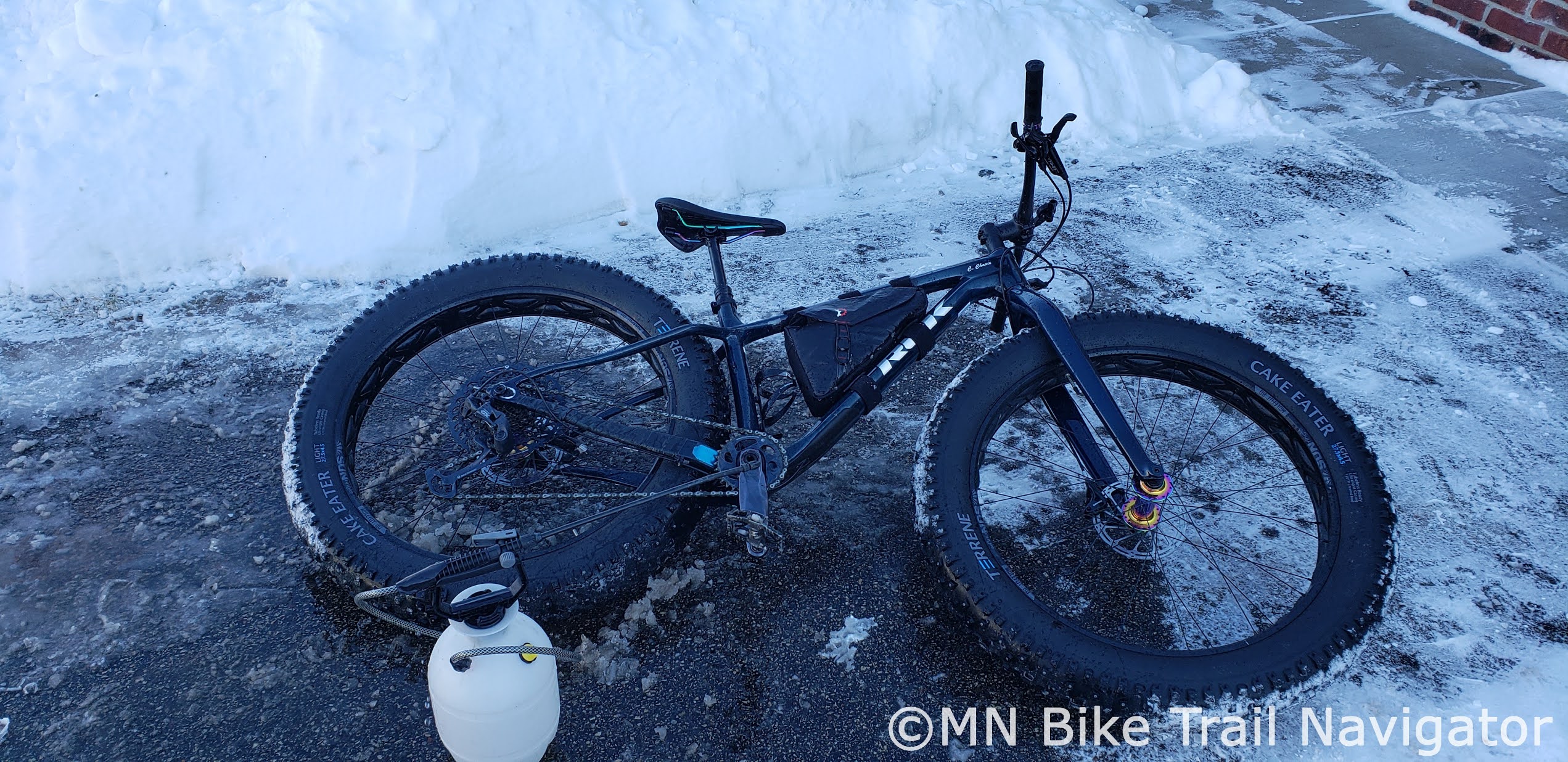
The transition to spring can make your bike a little messy. Road salt mixed with snow melt can wreak havoc on your bike's drivetrain and components so a good wash down after a ride in these conditions is recommended. Sand and dirt on roads and trails is more prevalent this time of year so you may find your bike needs a wash more frequently than during the summer months.

It appears we are going to get an early spring so break that bike out of its long winter slumber and get out there and ride. Remember, there is no such thing as bad weather, just bad clothing choices.